Survival guides · First Aid & Health
Opioid Overdose
ACT NOWSomeone can't be woken and is barely breathing or not breathing. You don't need to be sure it's opioids.
-
Spot the signs
- Won't wake up — even to a shout or a hard knuckle-rub on the breastbone.
- Breathing slow, shallow, stopped, gurgling or snoring.
- Lips and fingertips blue or gray. Skin pale and clammy. Body limp.
- Pupils may be pinpoints.
-
Call 911 — if there's service
- Before anything else. Say: "unresponsive and not breathing normally."
- No service? Go straight to naloxone and breathing, and send someone for help.
- No signal at all? Dial 911 anyway — iPhone 14 and newer offer to text 911 by satellite. Get outside, clear view of the sky.
- Naloxone buys time. It doesn't replace a hospital.
- Many states have Good Samaritan laws protecting people who call. Call regardless.
-
Give naloxone — if you have it
- None? Skip to the next step — breathing support is what keeps them alive.
- Nasal spray (often sold as Narcan) — no assembly, no training.
- On their back. Support the neck; tilt the head back.
- Nozzle into one nostril until your fingers touch the nose. Press the plunger all the way.
- No response in 2–3 minutes? Second dose, other nostril.
- Fentanyl often takes several doses. Keep going if you have more.
Why
Naloxone works in minutes and does no harm if you're wrong about the cause.
-
Help them breathe
- Not breathing, no sign of life? Start CPR now — naloxone must never delay it.
- Breathing but unconscious? Tilt the head back, watch the chest rise.
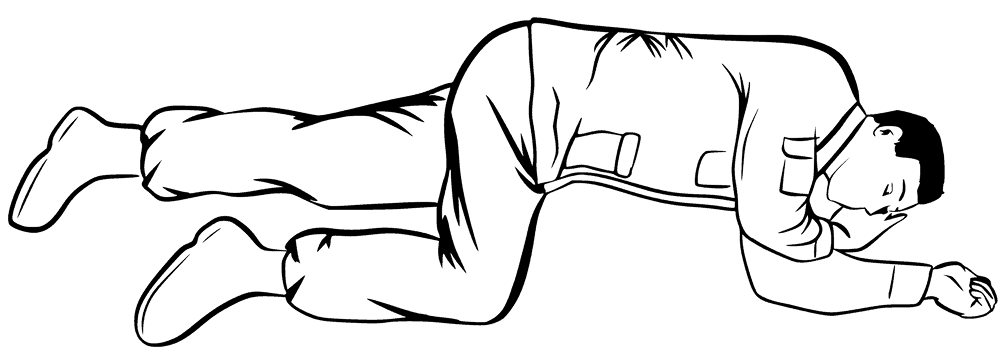
- Breathing on their own? Roll them onto their side so they can't choke if they vomit.
Why
An overdose stops breathing before it stops the heart — the problem is oxygen, so rescue breaths matter more here than in a typical cardiac arrest.
-
Stay with them
- Naloxone wears off in 30–90 minutes. The opioid can outlast it — they can stop breathing again.
- Don't leave them alone.
- Expect confusion, fear or withdrawal when they wake. Stay calm; tell them what happened.
Sources: SAMHSA Overdose Prevention and Response Toolkit · CDC Stop Overdose · American Heart Association (2025 Guidelines for CPR and ECC)
General information to help in an emergency — not a substitute for training or professional care.
← All survival guides